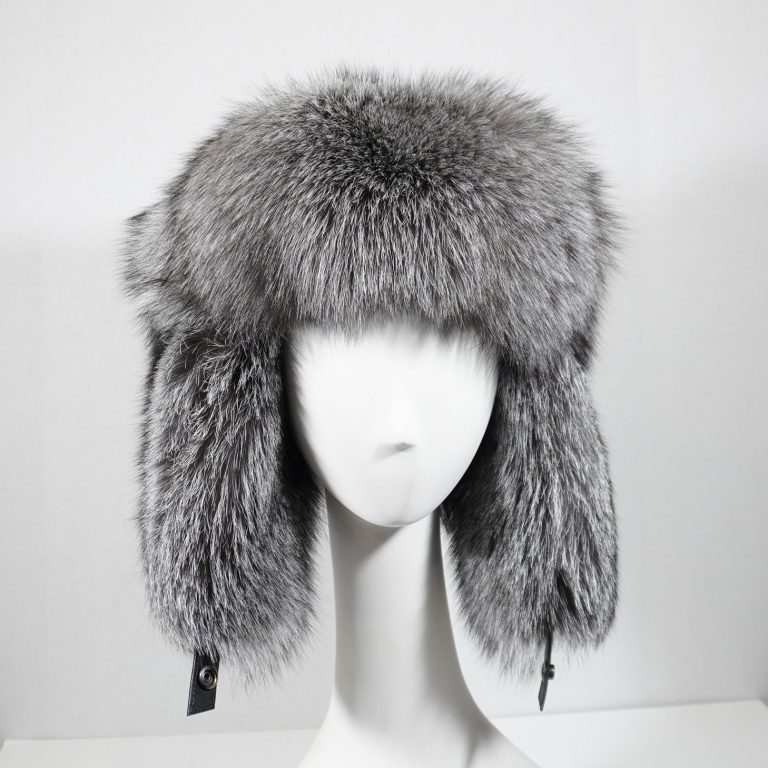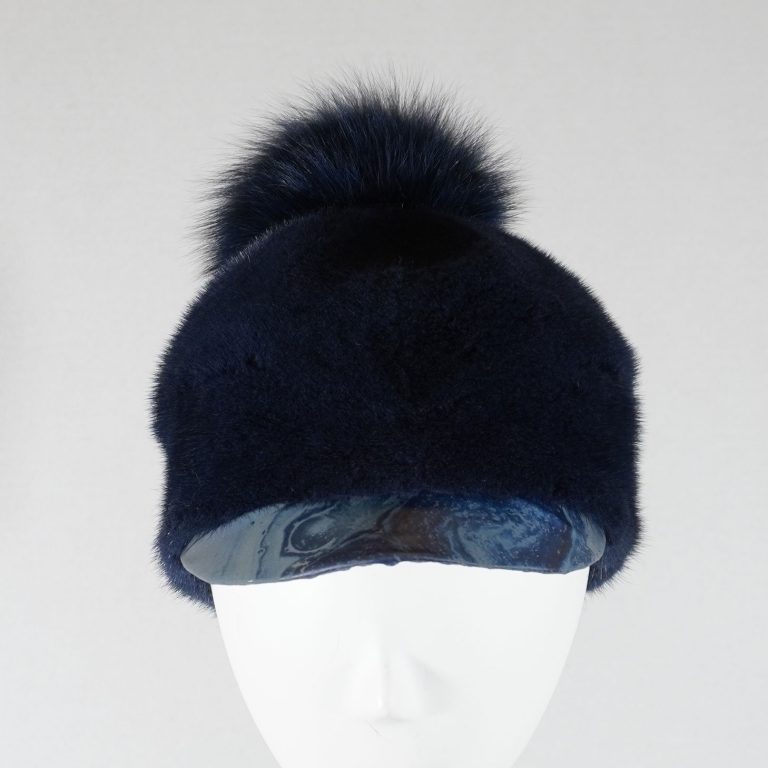

Responsible Fur Sourcing — What It Means and Why It Matters
Responsible fur sourcing is a growing priority for consumers who value transparency, sustainability, and humane practices in fashion. This article explains what responsible sourcing involves, how regulations work, and why it matters for buyers.
What Is Responsible Fur Sourcing?
Responsible fur sourcing ensures that the fur comes from suppliers who adhere to strict standards in:
- Animal welfare
- Environmental protection
- Traceability
- Sustainable population management
It is not about mass production but about ethical stewardship.
Standards in the U.S. & Canada
North America has some of the strictest regulations globally, covering:
- Welfare guidelines
- Regulated harvesting
- Environmental standards
- Annual population surveys
- Traceability systems
These practices preserve wildlife populations and natural ecosystems.
Why Responsible Fur Is More Sustainable Than Faux Fur
Natural fur is:
- Biodegradable
- Long-lasting
- Free of microplastics
Faux fur, however, contributes to:
- Plastic waste
- Microplastic pollution
- High chemical use
- Non-biodegradable landfill waste
How Consumers Benefit
Responsible sourcing ensures:
- Higher quality
- Ethical production
- Transparency
- Longevity
- Better environmental outcomes
Conclusion
Responsible fur sourcing is essential for preserving the environment, ensuring humane practices, and delivering high-quality natural products. For consumers seeking warmth, sustainability, and long-term durability, responsibly sourced fur remains one of the best choices available in winter fashion.