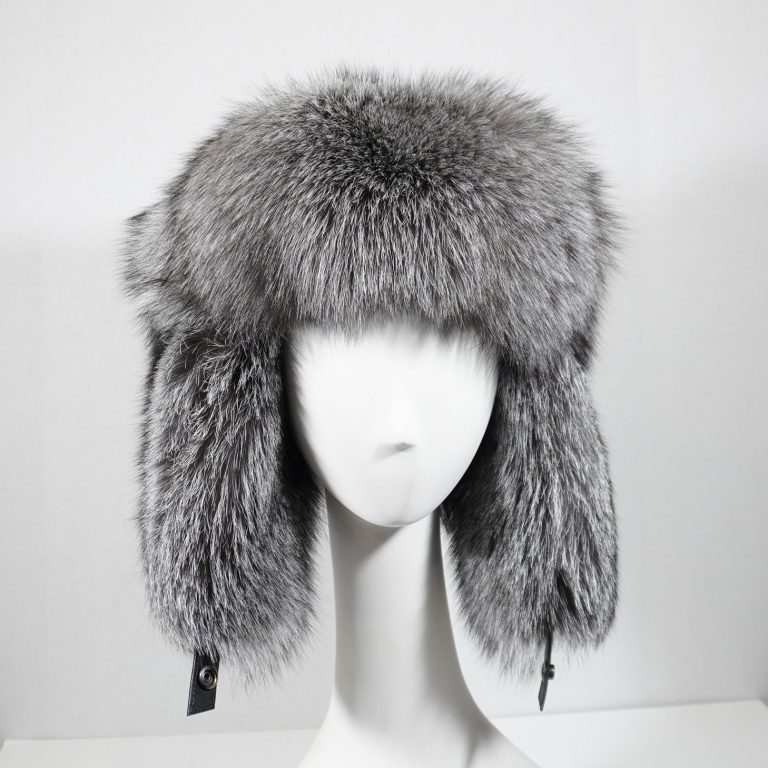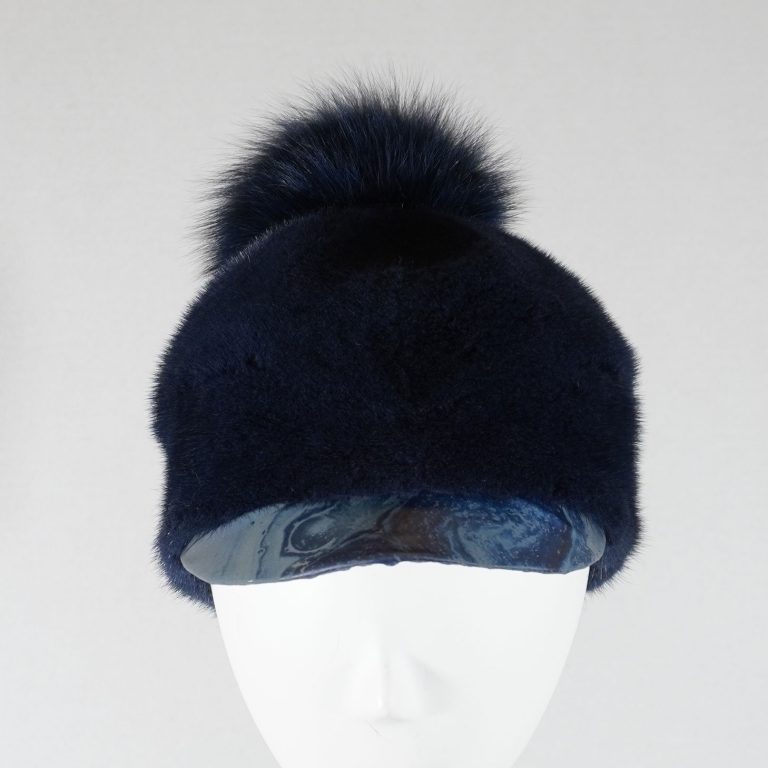
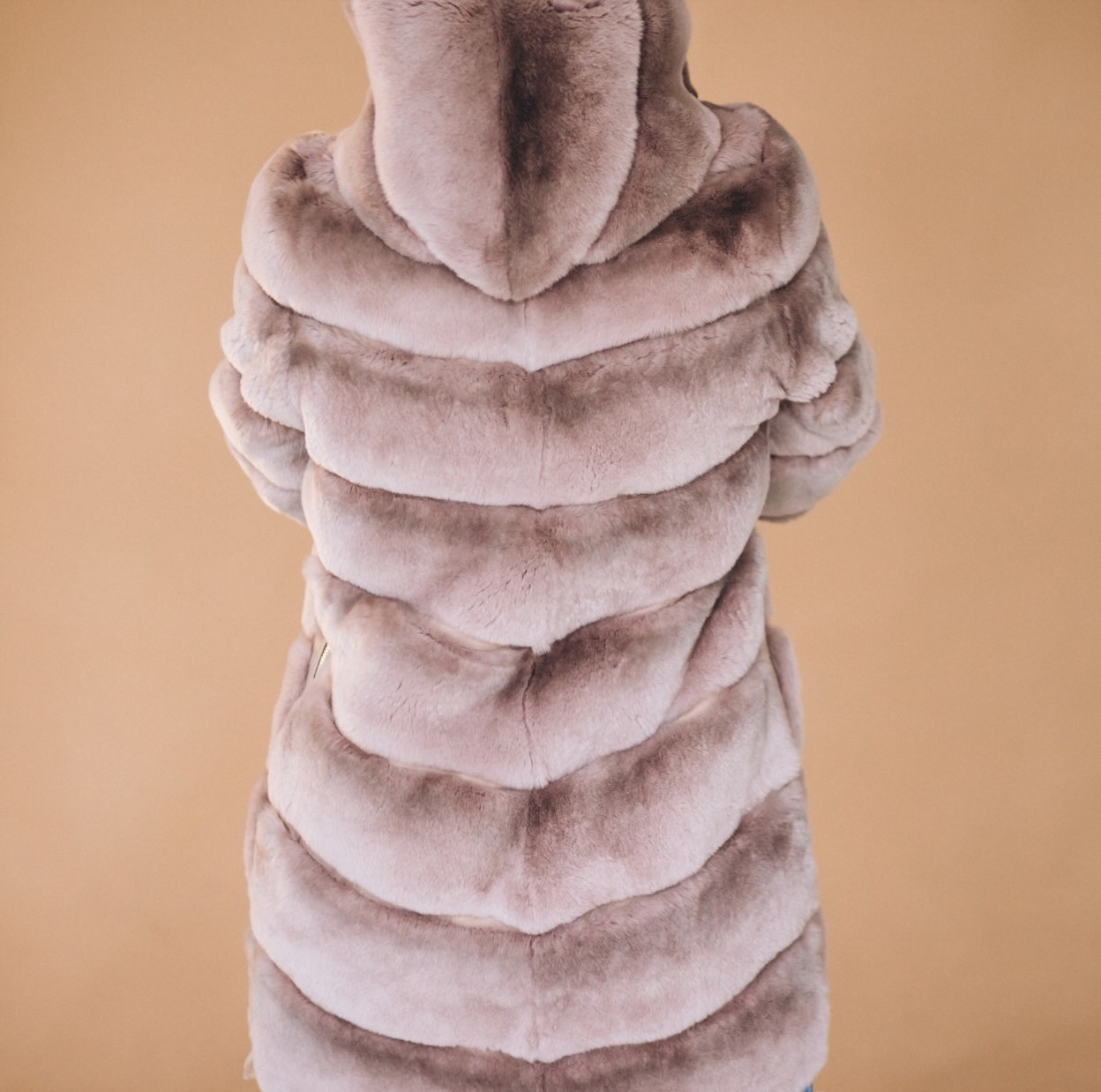
Real Fur vs Faux Fur — What You Need to Know Before You Buy
The debate between real fur and faux fur has grown in recent years, especially as winter fashion evolves. While both have their uses, they are distinctly different in warmth, sustainability, durability, and long-term performance. This article explores the real facts buyers should know when choosing between natural fur and synthetic alternatives.
Warmth: Natural Fur Is Still the Leader
Natural fur insulates using millions of tiny air pockets trapped between guard hairs and dense underfur. Faux fur, often made from polyester or acrylic fibers, cannot replicate this structure.
Real Fur Advantages:
- Superior warmth in freezing temperatures
- Remains warm even when frost or moisture accumulates
- Naturally wind-resistant
Faux Fur Limitations:
- Not ideal for extreme cold
- Heat escapes faster
- Tends to feel colder on windy days
For climates below freezing, natural fur remains the most effective insulator.
Environmental Impact: The Surprising Truth
Many people assume faux fur is “more ethical,” but the environmental cost of synthetic apparel is often overlooked.
Real Fur (Sustainably Sourced)
- 100% biodegradable
- Comes from regulated wildlife management or farmed under strict standards
- Leaves no plastic pollution
- Uses natural materials
Faux Fur
- Made from petroleum-based plastics
- Non-biodegradable
- Contributes microplastic pollution
- Requires chemical dyes and treatments
Synthetic fashion waste is now one of the biggest contributors to ocean microplastics.
Longevity and Durability
Natural fur can last decades with proper care. Faux fur typically lasts 2–5 years before fibers begin to mat, shed, or lose softness.
Real Fur:
- 10–20+ year lifespan
- Can be cleaned, repaired, or restyled
- Ages beautifully
Faux Fur:
- Breaks down quickly
- Cannot be restored after matting
- Loses quality faster
For long-term value, natural fur outperforms synthetic options.
Comfort, Feel & Appearance
Real fur offers:
- Natural softness
- Breathability
- Temperature regulation
- Movement and shine
Faux fur can look visually appealing but lacks the natural movement and breathable comfort of true fur.
Responsible Sourcing and Modern Standards
Modern fur production follows strict regulations in the U.S., Canada, and Europe.
These standards include:
- Ethical treatment
- Environmental safeguards
- Traceability
- Regulated harvesting
Responsible fur sourcing focuses on sustainability, humane practices, and conservation.
Conclusion
Real fur remains superior in warmth, longevity, and environmental sustainability when responsibly sourced. Faux fur has fashion benefits but cannot match the performance or lifespan of natural fur. For buyers who value warmth, durability, and classic luxury, natural fur remains the preferred choice.